


Ayurvedic Living: Tips for Inspiring Youth & Children
Youth is a vibrant period filled with energy, exploration, and personal growth. It’s a crucial time for setting goals and building a foundation for the future. Here’s some helpful tips to support your teen and children that will empower them to thrive by establishing a healthy relationship with food through Ayurvedic cooking and the like.

Meditation: Tips For Beginners
Meditation is beneficial for all doshas (vata, pitta, and kapha). The way each dosha shows up in meditation has to do with their elements and the way to meditate successfully has everything to do with your unique doshic predisposition. Needless to say is for EVERYONE.

Ayurvedic Tips For Eating Well & Consciously
The Ayurvedic diet, based on principles of the Indian medical system Ayurveda, has existed for thousands of years. This way of eating places emphasis on certain foods, typically high-quality, fresh foods, according to your body type. A diet focusing on whole foods and minimizing processed foods can help with keeping a healthy weight for you and support good health. Here’s 10 tips to get you started!

Neti & Nasya: Health Benefits and Uses
These practice of Neti and Nasya promotes good sinus health, reduces the effect of allergies, and helps keep the head and mind feeling clear.
An essential part of your daily ritual, or Dinacharya, neti and nasya tend to the nasal passages for optimum health.

Karana Purana (Ear Oiling): Optimize Your Ear Health
Karna Purana is a classic Ayurvedic ear oiling therapy that is an integral part of a healthy daily routine. It is the process in which warm, medicated oil or medicated liquid is gently, slowly poured into the ears. This lubricates the delicate filaments of the ear canal which sharpens hearing and removes impurities.

Ayurvedic Treatment for Rosacea
Rosacea, a common skin condition that causes redness and visible blood vessels in your face, can be a source of discomfort and self-consciousness. In Ayurveda, this condition is seen as an imbalance in the body’s doshas, which can be corrected through holistic treatments and lifestyle adjustments.

Ghee: Shine Like the Sunshine
A step-by-step guide on how to make your own ghee at home and more!
Nothing quite compares to the magic of homemade, golden ghee. Ghee is considered one of Ayurveda’s top superfoods for its rejuvenating, nourishing and anti-inflammatory qualities. Get inspired!

Laid-back Loaf
This simple and laid-back bread recipe is a great way to add an augmenting food to a balanced meal. Making bread at home is easy, especially when you have all these wonderful choices. Plus it’s the best way to ensure your food is filled with prana, organic ingredients and love.
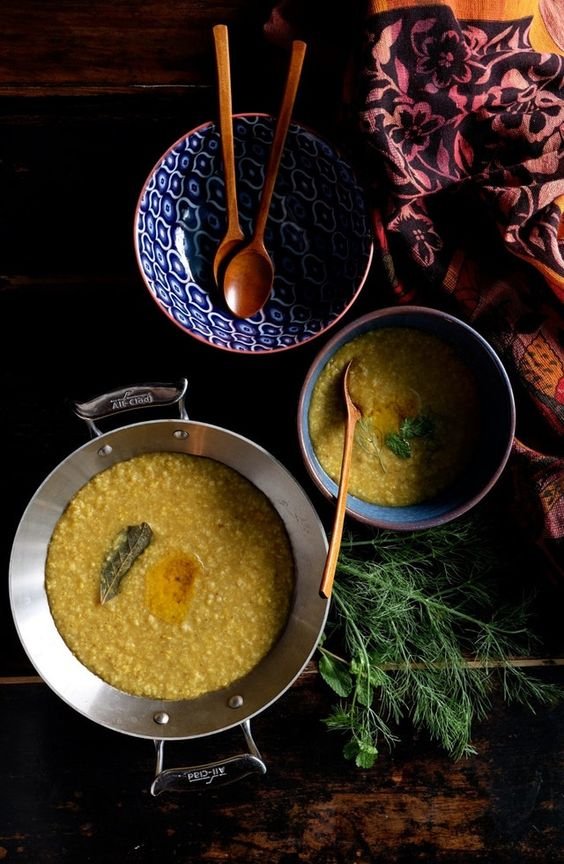
Prana On The Go: Say Bye-Bye To Leftovers
The nutritional and medicinal value of food, including its vital energy (Prana), evaporates when we store it in the fridge or freezer for a few days. Ayurveda considers that any food older than 3 days is 'dead' food, in that it is entirely lacking in nutritional content as well as aliveness. From the Ayurvedic perspective, foods that are lacking in Prana force the digestive system to work much harder which then leads to an overall drop in health and well-being. Food that is missing Prana also prevents our bodies from transforming it into healthy Dhatus (tissues) and then into the final product of digestion, Ojas (life energy). And when Ojas suffers, we suffer tremendously.

Working With Anger: An Ayurvedic Perspective
Anger is self-destroying, yet it’s not something a little discretion can’t handle. This article offers practical guidance on how to support a return to balance through natural and simple tips and tricks for anger management so that you can reclaim health and vitality through the mental and emotional spheres.

Prana Lover’s Pizza
We are meant to feel well after our meals. Try this pizza recipe (Ayurvedic inspired) and finally feel food after a fresh old slice of Prana Lover’s Pizza. Get creative and cook with seasonal veggies!

Calming Vata: A Closer Look!
In Ayurveda, vata dosha is comprised of air and ether. This dosha is responsible for elimination, movement, creativity and imagination. To keep it balanced and at bay, try these nourishing, warm, grounding practices.

ADHD Treatment: A Holistic Approach With Ayurveda
Attention Deficit Hyperactivity Disorder (ADHD) is a behavioural disorder. Symptoms normally begin to develop in children around 2 years of age. Ayurvedic treatment with therapies aimed at improving brain function, herbs and remedies to enhance attention and mind calmness, along with cognitive behavioral therapy, can be very helpful in ADHD.

Food Combinations: Digest With Ease
The concept of food combining – the idea that some foods digest well together while others do not – is entirely new for many, and somewhat foreign. But according to Ayurveda, it is an essential part of understanding how to eat properly and taking care of agni!

Prana Party Porridge
Cooking fresh food is one of the most important ways we can nourish ourselves and bring more prana into our essence. And what is easier to make than a simple porridge?

Transgenerational Forgiveness: Healing Old Wounds
When we are not sufficiently nurtured in childhood, we are inclined toward anxiety, depression, addiction and other forms of suffering. In a deep way, we do not feel at home with others. We are disconnected from our own body, heart and spirit. In this blog post, I offer you some resources and questions to explore to work through old wounds, so you can step into your life with an open-hearted presence.

Journalling: A Tool For Self-Discover
Journaling is a great way to get in touch with yourself and learn something about who you are. There are so many aspects to understanding your character. Here are a few journalling techniques to consider and support you toward becoming the best version of yourself.
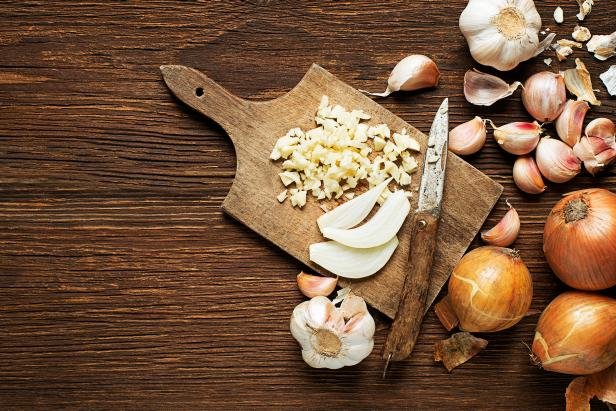
No Onions, No Garlic, No Shame.
Ever wondered why Ayurveda recommends a no garlic and onion diet? While there are numerous health benefits of both onion and garlic, why does Ayurveda suggest food without these two basic ingredients? In Ayurveda, onion and garlic are more like medicine than food items. Ayurveda categorizes food on the basis of rasas (taste) and gunas. It defines the nutritional properties of food based on six tastes - sweet, sour, salty, bitter, pungent, astringent and gunas or qualities, which are Sattva, Rajas and Tamas. Onions and garlic are considered to be Tamasic and Rajasic respectively, which means they are pungent in nature and result in an increase of bile and heat in the body.

The Maha Gunas: Healing As A Holistic Being
We need all three of the maha gunas to experience life. Tamas is present in sleep, though too much leads to laziness. Rajas can lift you out of tamas and allow you to move through your day, but too much creates anxiety and mental unrest. Cultivate sattva by actively choosing it over excessive tamas and rajas. This will support you in the direction of finding inner peace. When you walk with sattva, the changes you’d like to see in your life fall into place naturally, over time and with little effort.

The Healing Power of Mantra: Balancing The Doshas
Mantras are the most important part of the spiritual and mental therapy of Ayurveda. They are used to support healing from psychological and psychic imbalances, which stem from disturbances of the mental field. A mantra of the opposite quality is used to bring about a harmonious and neutralized state. They are easy to use and have no harmful side effects, nor do they require tedious or painful deliberation.